
Inflammation is an essential biological process that serves as the body’s first line of defence against harmful stimuli, including pathogens, damaged cells, and irritants. The acute inflammation process helps us heal from infections, injuries, and stress. However, when inflammation becomes chronic and low-grade, it can silently contribute to many health issues over time.
For women, this becomes particularly important because hormonal fluctuations, stress, gut health disturbances, and lifestyle patterns can make them more vulnerable to chronic inflammation in women. Many of the chronic health concerns women face today — such as thyroid disorders, PCOS, autoimmune diseases, digestive issues, and metabolic problems — often have inflammation as a common underlying factor.
As a nutritionist, I always explain to clients that while medication may manage symptoms, diet and lifestyle play a powerful role in controlling the inflammatory environment within the body.
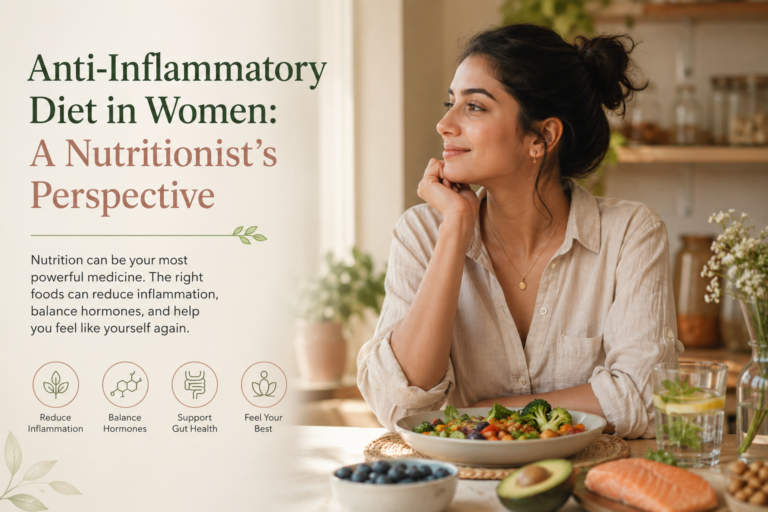
What Is Chronic Inflammation and Why Should Women Care?
Women experience several biological and lifestyle factors that can increase the risk of chronic inflammation.
How Hormones Fuel Inflammatory Responses
Hormonal changes throughout life — from menstruation and pregnancy to menopause — can influence immune responses and inflammatory pathways. Estrogen fluctuations, for instance, affect how the immune system behaves, which partly explains why women have a higher prevalence of autoimmune disorders compared to men.
Common Signs Your Body Is Chronically Inflamed
Chronic inflammation does not always present itself as a clear disease initially. Instead, it may appear as recurring symptoms that people often dismiss as normal.
Some common signs include:
- Persistent fatigue or low energy
- Bloating, acidity, or constipation
- Joint or muscle discomfort
- Brain fog or difficulty concentrating
- Skin issues such as acne or eczema
- Irregular menstrual cycles
- Unexplained weight gain
These symptoms can have multiple causes, but when several occur together, it often indicates that the body may be under inflammatory stress. This is especially relevant if you have PCOS, thyroid issues, or autoimmune conditions, all of which are closely tied to chronic inflammation in women.
An anti-inflammatory diet therefore places strong emphasis on fiber, plant diversity, and minimally processed foods to support a healthy gut ecosystem.
The Gut–Inflammation Connection
One of the most overlooked aspects of inflammation is gut health and inflammation. When the gut microbiome becomes imbalanced due to poor diet, stress, antibiotics, or lack of fiber, it can lead to increased intestinal permeability and immune activation.
Why 70% of Your Immune System Lives in Your Gut
Nearly 70% of the immune system is associated with the gut, making the digestive system a key regulator of inflammatory responses. An anti-inflammatory diet therefore places strong emphasis on fiber, plant diversity, and minimally processed foods to support a healthy gut ecosystem.
What Is an Anti-Inflammatory Diet?
An anti-inflammatory diet for women focuses on nutrient-dense, whole foods that support the immune system, reduce oxidative stress, and maintain stable blood sugar levels.
Rather than being a strict or temporary diet, it is more of a long-term eating pattern that prioritizes food quality, variety, and balance.
The primary goals include:
- Reducing inflammatory triggers
- Supporting gut microbiome balance
- Providing antioxidants and phytonutrients
- Maintaining hormonal and metabolic stability

Best Anti-Inflammatory Foods for Women
Colorful Fruits and Vegetables
Plant foods are rich in antioxidants and polyphenols that help neutralize harmful free radicals, which contribute to inflammation. Including a wide variety of colors ensures a broad range of protective compounds.
Examples include:
- Berries
- Leafy greens such as spinach and kale
- Beetroot
- Carrots
- Bell peppers
- Pomegranate
A good rule of thumb is to aim for multiple colors on your plate each day.
Healthy Fats That Regulate Inflammation
Not all fats are harmful. Certain fats help regulate inflammatory pathways and support hormone production — making them especially important as part of an anti-inflammatory diet for women.
Beneficial fats include:
- Extra virgin olive oil
- Nuts such as almonds and walnuts
- Seeds like flaxseeds and chia seeds
- Avocados
- Fatty fish such as salmon, sardines, and mackerel
Omega-3 fatty acids found in fatty fish are particularly known for their ability to reduce inflammation and lower inflammatory markers in the body.
High-Fiber Foods for Gut and Hormonal Balance
Dietary fiber is essential for maintaining gut health and inflammation control. Fiber feeds beneficial gut bacteria, allowing them to produce short-chain fatty acids that help reduce inflammatory responses.
Good sources of fiber include:
- Lentils and beans
- Whole grains
- Fruits and vegetables
- Seeds like chia and flax
A fiber-rich diet also helps regulate blood sugar levels, which further supports metabolic and hormonal balance — a key concern for women dealing with PCOS and inflammation.
Anti-Inflammatory Herbs and Spices
Many traditional herbs and spices contain bioactive compounds with strong anti-inflammatory properties. Examples include:
- Turmeric
- Ginger
- Garlic
- Cinnamon
Regular use of these ingredients in cooking not only enhances flavor but also provides therapeutic benefits.
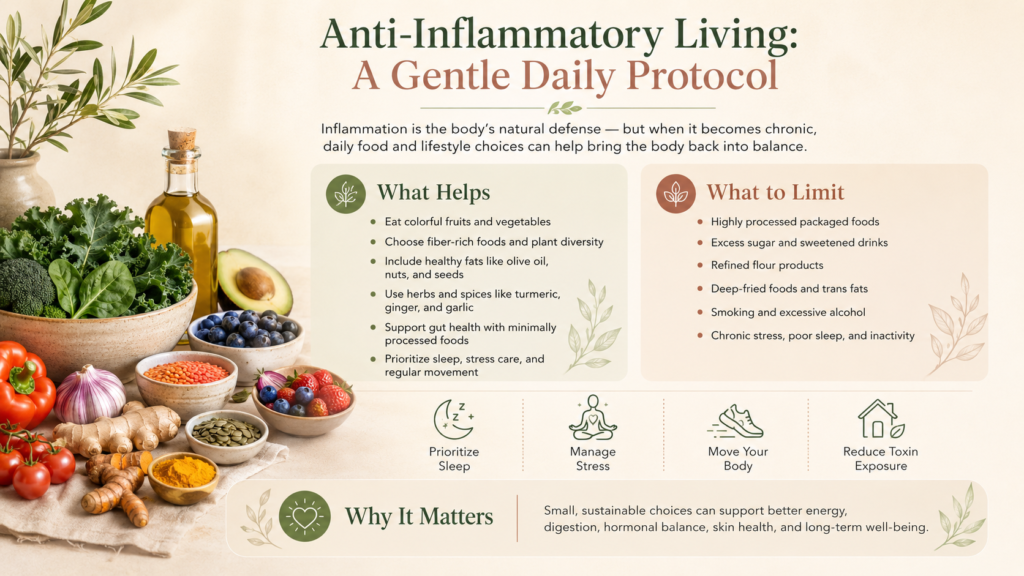
Foods That Trigger Inflammation (and Should Be Limited)
While certain foods support healing, others can contribute to inflammatory processes when consumed frequently. These include:
- Highly processed packaged foods
- Excess sugar and sweetened beverages
- Refined flour products
- Deep-fried foods and trans fats
- Excessive alcohol intake and smoking
- In some cases, even gluten and dairy
These foods can disrupt gut bacteria, trigger blood sugar spikes, and increase inflammatory signaling in the body.
Lifestyle Habits That Affect Inflammation Levels
While diet forms the foundation of an anti-inflammatory diet for women, several lifestyle habits also directly influence inflammation levels.
Key factors include:
- Sleep: Poor sleep increases inflammatory markers
- Stress: Chronic stress activates hormonal pathways that promote inflammation and hormones imbalance
- Physical activity: Regular movement helps regulate immune function and metabolism
- Environmental exposures: Pollution, smoking, and toxins contribute to oxidative stress
Combining balanced nutrition with healthy lifestyle habits creates the most effective strategy for reducing chronic inflammation in women.
Final Thoughts: Small Daily Choices, Long-Term Results
Inflammation is not inherently harmful, it is the body’s natural defense mechanism. Problems arise when this response becomes persistent and uncontrolled.
For women, addressing chronic inflammation through an anti-inflammatory diet can have far-reaching benefits: improved energy, better digestion, hormonal balance, healthier skin, and reduced risk of chronic disease.
An anti-inflammatory diet for women does not require extreme restrictions. Instead, it focuses on consistent, sustainable choices that nourish the body and support its natural healing processes. Over time, these small daily decisions can make a meaningful difference in long-term health and well-being.
For those who want a more structured starting point, working on gut health first often makes the biggest difference, since so much of the inflammatory response originates there. A guided gut cleanse program can help reset the digestive environment, reduce the toxic load, and make it easier for the body to respond to dietary changes. Think of it less as a detox and more as clearing the slate so that the foods you eat actually do their job.