
The gut–hormone axis highlights the constant communication between your digestive system and hormones. The connection between gut health and hormone balance is often overlooked, yet it plays an important role in regulating estrogen, progesterone, cortisol, thyroid hormone, and insulin levels.
Gut bacteria influence how hormones are produced, activated, detoxified, and recycled in the body. When the gut is balanced, it supports hormonal harmony; when disrupted, it can contribute to inflammation, hormone imbalances, irregular periods, hormonal acne, insulin resistance, and metabolic dysfunction.
This blog explores how optimizing gut function can support hormonal harmony and why both systems must be addressed together for long-term health.
The gut-hormone axis: why your digestive system runs your hormones
Hormonal imbalances in women are increasingly common today, manifesting as irregular periods, PCOS symptoms, PMS, acne, mood swings, and fertility challenges. While most approaches focus directly on hormones, an essential piece of the puzzle often goes unnoticed: the gut.
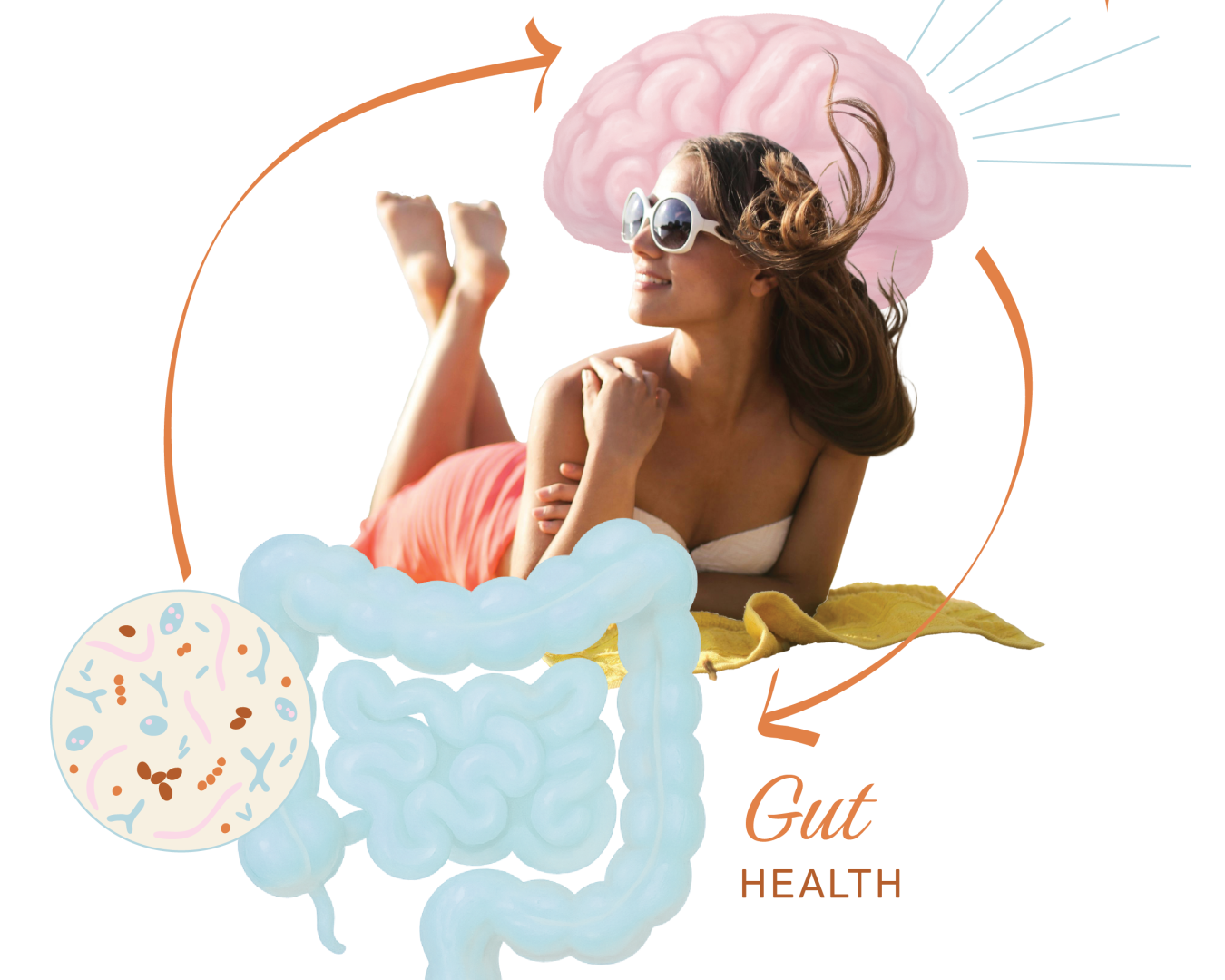
Your gut is not just responsible for digestion; it is a central hub for detoxification, immune function, and hormone regulation. The relationship between the gut and hormones is bidirectional: meaning that poor gut health can disrupt hormones, and hormonal imbalances can further impair gut function.
Understanding this connection is the key to creating a sustainable and effective approach towards balancing female hormones.
How the gut communicates with the endocrine system
The real question isn’t just how much estrogen you have. It’s how well your liver, bile, and gut help the queen exit gracefully.
Why gut inflammation disrupts estrogen, progesterone, and cortisol
Signs your estrogen is being poorly metabolised through the gut
Estrogen
The gut regulates estrogen through the estrobolome, a group of bacteria that help metabolize and eliminate excess estrogen. A healthy gut ensures proper detoxification and removal, while an imbalanced microbiome can lead to estrogen being reabsorbed, contributing to issues like PMS, endometriosis, fibroids, cysts, and hormonal imbalances.
This is why supporting the gut microbiome is often an important part of managing estrogen-related symptoms, including heavy periods, breast tenderness, and endometriosis symptoms.
The role of gut bacteria in thyroid hormone conversion
Thyroid
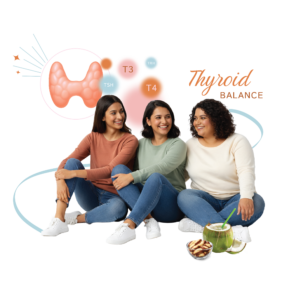
The gut plays a role in thyroid hormone conversion, with a portion of T4 being converted to active T3 in the gut. Poor gut health can impair this process, potentially leading to symptoms like fatigue, weight gain, low mood, and may also contribute to autoimmune thyroid conditions such as Hashimoto disease.
For women experiencing hypothyroidism symptoms, poor digestion, constipation, or low energy, supporting both thyroid health and gut health becomes especially important.
Cortisol
Cortisol, the stress hormone, is closely linked to gut health. Chronic stress can damage the gut lining and increase inflammation, while an unhealthy gut can further elevate cortisol levels. This creates a cycle that may lead to poor sleep, mood disturbances, cravings, and ongoing stress dysregulation.
Over time, this can also affect metabolic health, appetite regulation, and how the body responds to food.
Insulin
Gut health significantly influences insulin sensitivity and blood sugar control. An imbalanced microbiome can contribute to insulin resistance, higher blood sugar levels, and increased risk of metabolic conditions like type 2 diabetes.
Supporting the gut through diet and lifestyle can help improve insulin function and metabolic health, especially in women managing PCOS weight loss, pre-diabetic patterns, or stubborn abdominal weight.
The Gut–Hormone Connection: Why It Matters
1) What is the estrobolome, and why it controls your estrogen levels
The estrobolome is a collection of gut bacteria that specifically metabolizes estrogen. It regulates how estrogen is broken down, used, and eliminated from the body.
- A healthy estrobolome ensures proper estrogen detoxification
- An imbalanced gut can lead to excess estrogen being reabsorbed into circulation
This process can contribute to:
- Estrogen dominance
- PMS and heavy periods
- Breast tenderness
- Conditions like fibroids and endometriosis
For women struggling with symptoms linked to estrogen imbalance, focusing only on hormones may not be enough. The gut also needs to be supported.
2. Estrogen–Progesterone Balance
Hormonal health isn’t just about estrogen, it’s about the balance between estrogen and progesterone.
- Estrogen promotes growth and proliferation
- Progesterone has a calming, balancing, anti-inflammatory effect
When gut health is compromised:
- Estrogen clearance is reduced
- Progesterone may not adequately counterbalance estrogen
This leads to a state of relative estrogen dominance, even if estrogen levels are not extremely high.
This imbalance may show up as PMS, mood changes, painful periods, irregular periods, or hormonal acne.
3. Constipation & Hormone Recirculation
One of the most overlooked factors in hormone imbalance is bowel regularity.
When bowel movements are sluggish:
- Estrogen that is meant to be excreted gets reabsorbed
- This increases circulating estrogen levels
Chronic constipation can therefore contribute to:
- Hormonal acne
- Painful periods
- Endometriosis
- Bloating and inflammation
Regular elimination is essential for hormonal detoxification and better digestive health.
If bloating, constipation, acidity, or irregular bowel movements are a recurring pattern for you, a gentle gut-supportive approach can help create the foundation for better hormone balance.

4. Gut Inflammation & Hormonal Disruption
An unhealthy gut often leads to:
- Increased intestinal permeability, often called leaky gut
- Systemic inflammation
- Disrupted insulin and cortisol levels
This creates a cascade:
- Elevated cortisol impacts progesterone production
- Insulin resistance worsens PCOS and androgen imbalance
- Inflammation aggravates estrogen-related conditions
This is where a gut health diet rich in fiber, diverse plants, adequate protein, and anti-inflammatory foods can support both gut function and hormonal health.
5. How gut health affects thyroid hormones and T3 conversion
Around 20% of thyroid hormone conversion, from T4 to active T3, occurs in the gut.
- Gut dysbiosis can impair this conversion, leading to reduced T3 levels
- Leaky gut increases intestinal permeability, allowing toxins and antigens into circulation
- This can trigger immune activation and chronic inflammation
- Chronic inflammation interferes with thyroid hormone signaling and function
- Poor gut health is linked to autoimmune thyroid conditions like Hashimoto’s thyroiditis
- Microbiome imbalance can affect nutrient absorption, including selenium, zinc, and iodine, which are essential for thyroid health
- Resulting effects may include fatigue, weight gain, brain fog, and low mood
- Supporting gut health helps improve thyroid hormone conversion, reduce inflammation, and balance immunity
For women looking for a Hashimoto diet, thyroid diet plan, or wondering about the best food for thyroid patients, the gut should not be ignored. Thyroid health is deeply connected to digestion, nutrient absorption, inflammation, and immune balance.
6. Signs your gut is affecting your hormone balance
Many women try to “fix hormones” with supplements or medications alone, but without addressing the gut:
- Hormone metabolism remains inefficient
- Detox pathways stay sluggish
- Imbalances keep recurring
Similarly, focusing only on gut health without considering hormones may not fully resolve symptoms.
The key insight:
Gut health and hormone balance are deeply interconnected systems that must be supported simultaneously for sustainable results.
This is why a root-cause approach to functional nutrition looks at symptoms like bloating, acne, PMS, fatigue, PCOS, thyroid concerns, and blood sugar imbalance together, not as separate problems.
Practical Takeaways for Gut & Hormone Health
1. Support Daily Elimination
- Aim for 1–2 regular bowel movements per day
- Include fiber-rich foods: vegetables, fruits, seeds
- Stay hydrated with around 3 litres of water daily
Regular elimination supports estrogen clearance and reduces hormone recirculation.
2. Nourish the Microbiome
- Include fermented foods, if tolerated, such as vegan curd and pickled vegetables
- Add prebiotic foods and a variety of vegetables
- Reduce ultra-processed foods and excess sugar
A diverse gut microbiome supports hormone metabolism, digestive health, immunity, and inflammation balance.
3. Balance Blood Sugar
- Start your day with a fat-first option, such as 1 tsp ghee, coconut oil, nuts, or olives
- Start your breakfast with 25g protein and good fats
- Include protein, fats, and fiber in every meal
This supports blood sugar control, insulin sensitivity, and long-term metabolic health.
4. Reduce Stress & Support Cortisol
- Practice breathwork, yoga, or grounding
- Prioritize sleep from 10 pm onwards
- Remember that chronic stress directly affects progesterone and gut health
Stress care is not separate from hormone care. It is part of the same system.
5. Support Liver Detox Pathways
- Include dandelion tea
- Add cruciferous vegetables like broccoli and cabbage
- These help metabolize estrogen effectively
The liver, gut, and hormones work together to clear excess hormones from the body.
6. Address Constipation Early
- Don’t ignore bloating or irregular bowel movements
- Gentle movement, hydration, soaked chia, prunes, or magnesium citrate may help if needed
- Consult a health practitioner before using supplements regularly
Constipation is not just a gut issue. It can become a hormone issue too.
When bile flows more freely, estrogen exits more easily. And when estrogen exits more easily, symptoms often soften.
Conclusion
Hormonal balance is not just about the ovaries, it’s about the gut, liver, brain, thyroid, blood sugar, and lifestyle working together in harmony. The gut microbiome, especially the estrobolome, plays a critical role in regulating estrogen and maintaining the delicate balance between estrogen and progesterone.
If you’re dealing with persistent hormonal symptoms, it may be time to look beyond hormones alone and start healing the gut. When the gut is supported, hormones often follow.
And if your symptoms are layered with PCOS, thyroid concerns, insulin resistance, irregular periods, acne, fatigue, or long-standing digestive discomfort, a personalised root-cause approach can help you understand what your body truly needs and rebuild balance gently.