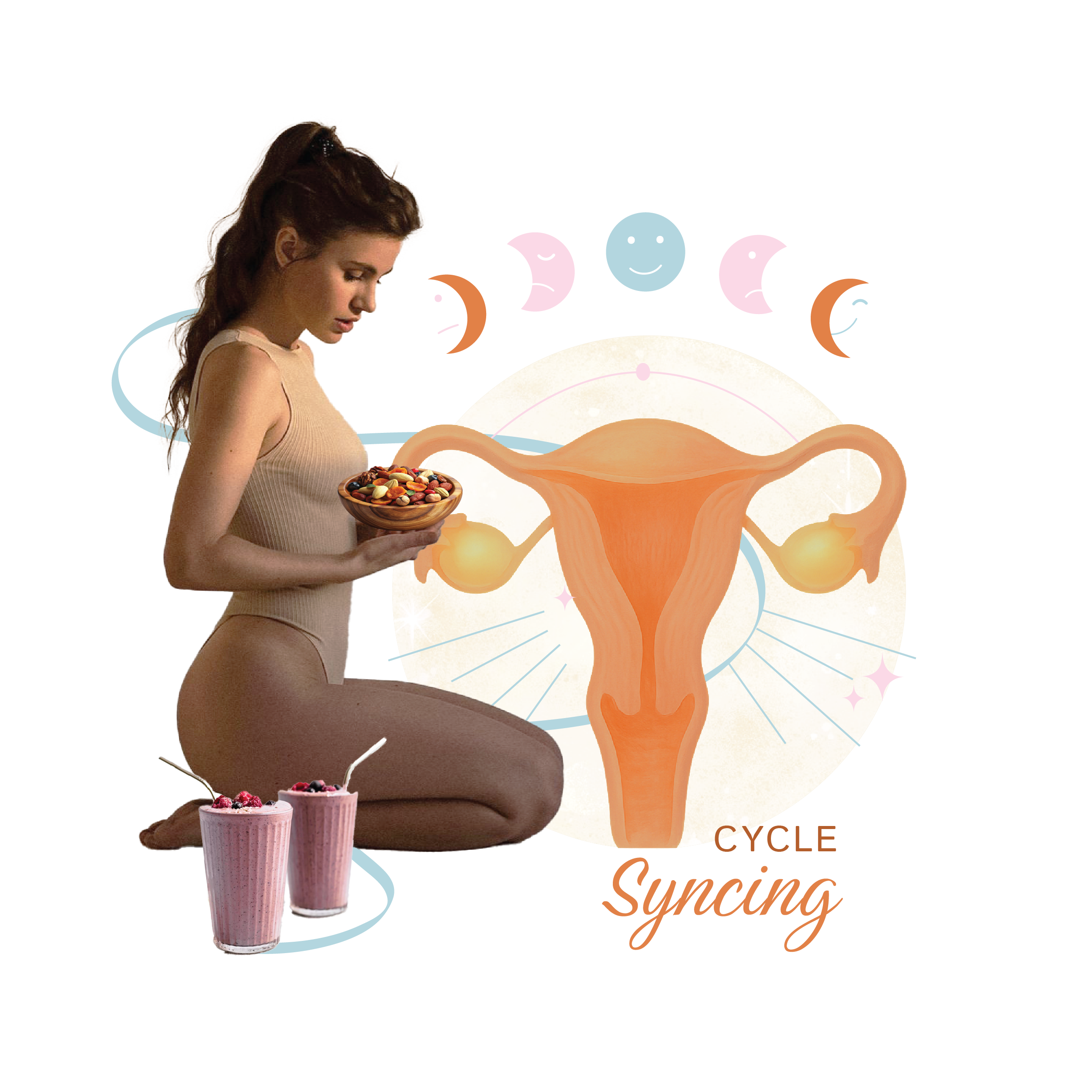
What is cycle syncing, and why your nutritional needs change every week
Unlike men, women don’t run on a simple 24-hour rhythm; our bodies follow a roughly 28-day cycle that shapes mood, energy, appetite, hormone balance, and how we use nutrients throughout the month. In this session, we’ll explore how to tune into your body’s changing needs across the menstrual cycle, with a focus on supporting yourself nutritionally and energetically in the follicular and luteal phases.
Introduction
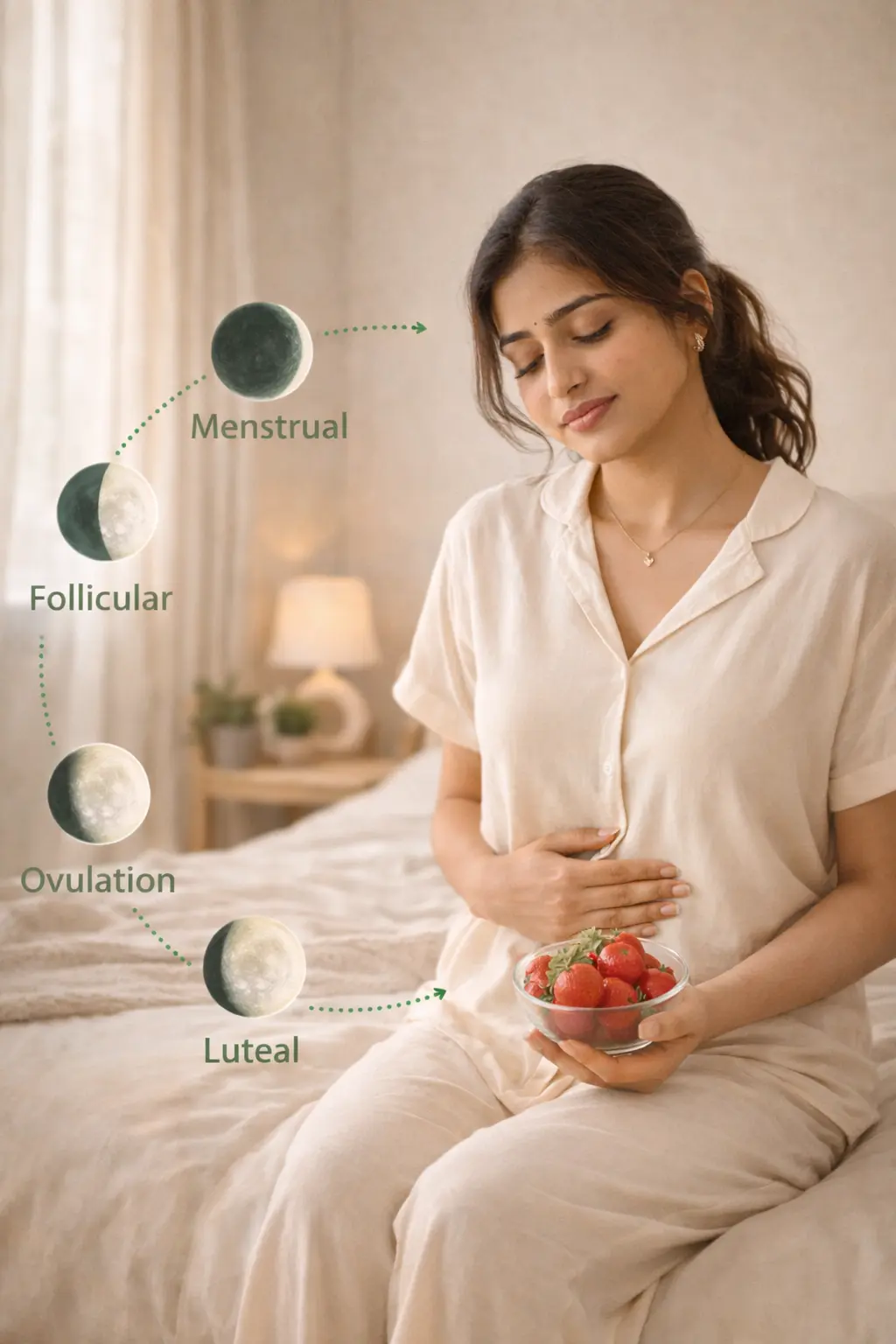
Your menstrual cycle is far more than just a monthly event, it can be termed as your ‘monthly report card’ because it offers valuable insights into your hormones, metabolism, irregular periods, energy, and overall well-being. Each month, your body moves through four distinct phases: menstrual, follicular, ovulatory, and luteal. With every phase come natural shifts in energy, mood, appetite, cravings, digestion, and emotional responses.
By learning to recognize these changes and aligning your nutrition, workouts, and lifestyle with them, you can support your hormones, enhance emotional balance, improve metabolic health, and work with your body rather than against it. Cycle syncing isn’t just about managing your period; it’s about using your cycle as a guide to optimize health, performance, and resilience.
For women navigating PCOS symptoms, PCOD symptoms, painful periods, PMS, hormonal acne, or unexplained cravings, cycle syncing can also become a helpful way to understand what the body may be asking for.
Menstrual Phase (Day 1–5)
The menstrual phase is the start of your cycle, when the uterine lining is shed. During this time, estrogen and progesterone levels are at their lowest, which is why energy can feel low and mood a bit fragile. This is your body’s signal to slow down, rest, and replenish. Supporting yourself with the right foods, herbs, and gentle lifestyle practices can make this phase much smoother.
In terms of exercise, opt for gentle yoga postures, stretching, or slow walks rather than high-intensity workouts. Listen to your body: prioritize rest, grounding, and lower energy tasks.
What to eat during the menstrual phase: nourishment and iron restoration
Your body is losing blood and minerals, so focus on iron-rich, magnesium-rich, and anti-inflammatory foods to restore balance.
Vegetables & Fruits: Spinach, fenugreek, amaranth, radish leaves, cauliflower greens – high in iron & folate to rebuild red blood cells. Oranges, guava, gooseberry, kiwi, bell peppers – rich in vitamin C, which boosts iron absorption. Blueberries – packed with antioxidants to reduce inflammation. Ginger – eases cramps and supports digestive health.
Seeds: Pumpkin seeds provide zinc & magnesium for hormone balance and pain relief. Flaxseeds contain lignans that support estrogen balance. Hemp seeds are rich in omega-3s, reducing inflammation. Garden cress seeds are iron-dense, helping restore blood loss during periods.
Healthy Fats: Organic ghee, mustard oil, sesame oil, coconut oil, grass-fed butter, avocado oil, extra virgin olive oil that provide essential fatty acids that stabilize mood and reduce inflammation.
Proteins: Eggs contain vitamin B12 and iron, key for energy and red blood cell production. Chicken breast has lean protein to maintain strength when energy is low. Fatty fish such as salmon, mackerel, sardines, and tuna have omega-3s to ease cramps and support brain function.
Plant Proteins & Grains: Beans & organic tofu provide protein and phytoestrogens that gently support hormone balance. Rice is an easy-to-digest carb that provides steady energy when appetite is low.
If your period phase is often accompanied by bloating, constipation, acidity, or discomfort after meals, gently supporting the gut microbiome can make cycle care feel easier. This is where a structured gut reset can support digestive balance alongside hormone health.
Follicular Phase (Day 6–12)
This phase starts right after your period. If your cycle length is 28–30 days, this phase lasts about 10–11 days. As estrogen levels slowly rise, you may notice better focus, memory, and creativity. Your energy levels go up, motivation improves, and you feel more social and optimistic. Estrogen also supports muscle building, making this a great time for strength training or trying new workouts. Overall, your brain and body feel more active and productive during this phase. Leverage better cognitive performance during this time to focus on tasks requiring planning and strategizing.
What to eat during the follicular phase: foods that support rising estrogen
Vegetables and Fruits: Cruciferous vegetables like broccoli, cauliflower, cabbage, brussels sprouts, they help the liver clear excess estrogen. Leafy greens such as spinach, fenugreek leaves, moringa, bok choy, and lettuce are rich in iron, folate, and vitamin C, ideal for replenishing nutrients lost during your period. Choose lighter veggies like zucchini, bell peppers, asparagus, beans, and gourd vegetables. Apples and pears are great for regulating blood sugar control and supporting estrogen metabolism.
Nuts & Seeds: Pumpkin seeds are rich in zinc and help follicular development. Flaxseeds support estrogen balance and are omega-3 rich, which helps reduce inflammation. They also help in improving the quality and thickness of the uterine lining.
Healthy Fats: Organic ghee, grass-fed butter, coconut oil, mustard oil, sesame oil, avocado oil, extra virgin olive oil to stabilize hormones and support brain function.
Proteins: Chicken & eggs, salmon, lentils, edamame, tofu to support muscle building, repair and stabilize blood sugars. Adequate protein provides the right nutrients for the growth of the follicles.
Grains: Jowar, bajra, amaranth, gluten free oats are complex carbs that help sustain energy, support insulin resistance, and help in fat loss.
Ovulation Phase (Day 13–15)
The ovulation phase lasts about 3 to 5 days. It can happen anytime between the 12th–16th day of your cycle. It is the time when the ovary releases a mature egg. This happens after a surge in luteinizing hormone (LH), which triggers ovulation. The lining of the uterus gets thicker and testosterone levels increase too.
This is known as one of the most positive and energetic phases of the menstrual cycle. During this phase, estrogen is at its peak, making you feel more energetic, confident, ecstatic and attractive. During this time, fertility is at its peak, making it the best phase for conception.
Estrogen levels naturally boost your energy, motivation, and stamina. This is a great time to push yourself a little more with workouts, especially strength training, as your body responds better to muscle building during this phase and helps you build them.
For women focusing on fertility nutrition or preconception health, this phase is especially important because nutrient quality, inflammation, blood sugar balance, and hormone health all influence ovulation quality.
What to eat during the ovulatory phase: liver support and anti-inflammation
Vegetables and Fruits: Cruciferous vegetables like broccoli, cauliflower, cabbage, brussels sprouts help the liver clear excess estrogen. Choose lighter veggies like zucchini, bell peppers, asparagus, beans, gourd veggies. Double the amount of fibrous veggies as per tolerance also supports estrogen clearance through the gut and prevents constipation.
Nuts & Seeds: Almonds and walnuts are rich in vitamin E, which helps improve egg quality and supports the healthy uterine lining, making it more receptive for implantation. Pumpkin seeds rich in zinc help follicular development. Flaxseeds support estrogen balance and are omega-3 rich, which helps reduce inflammation. Since the egg is released, antioxidants help protect it from oxidative stress.
Healthy Fats: Organic ghee, grass-fed butter, coconut oil, mustard oil, sesame oil, avocado oil, extra virgin olive oil. Healthy fats nourish your hormones and support the release of a healthy egg.
Proteins: Chicken & eggs, salmon, lentils, edamame, tofu to support muscle building, repair and stabilize blood sugars. Salmon has DHA & EPA to enhance brain health, egg quality, supports ovulation and egg release.
Grains: Rice, jowar, bajra, amaranth, gluten free oats are complex carbs that prevent sugar spikes and help release sustained energy.
For women focusing on fertility nutrition or preconception health, this phase is especially important because nutrient quality, inflammation, blood sugar balance, and hormone health all influence ovulation quality.
Luteal Phase (Day 16–28)
The luteal phase comes after ovulation and before your period. During this time, progesterone rises to prepare the body for a possible pregnancy. As hormones fluctuate, you may notice mood changes, cravings, bloating, or PMS symptoms. This is a phase to ground your energy, ease stress, and support hormone balance with calming foods, herbs, and adaptogens.
This is also the phase where many women notice stronger cravings, water retention, breast tenderness, mood swings, or changes in bowel movements. These shifts can feel more intense in women dealing with PCOS, insulin resistance, thyroid health concerns, or chronic stress.
What to eat during the luteal phase: blood sugar, PMS, and progesterone support
Vegetables & Fruits: Spinach, amaranth leaves, colocasia leaves are rich in magnesium & calcium, help ease cramps and mood swings. Sweet potato & yam cause slow-release carbs to curb cravings and stabilize blood sugar. Banana is high in vitamin B6, supports mood and reduces PMS irritability.
Nuts & Seeds: Almonds & pistachios are healthy fats and magnesium for stress relief. Chia seeds & hemp seeds are rich in omega-3s to reduce inflammation and support mood. Sunflower seeds are high in vitamin E, helps balance progesterone and reduce PMS. Sesame seeds provide calcium and lignans to support hormone metabolism.
Healthy Fats: Organic ghee, grass-fed butter, coconut oil, mustard oil, sesame oil, avocado oil, extra virgin olive oil help stabilize hormones and support nutrient absorption.
Proteins: Chicken & eggs provide amino acids and B vitamins for energy and mood regulation. Chickpeas contain phytoestrogens and magnesium to ease PMS symptoms. Masoor dal has protein and iron to support steady energy.
Grains: Jowar, bajra, amaranth have complex carbs that balance cravings and sustain energy.
A steady gut health diet during this phase can also help support bloating relief, bowel regularity, and better estrogen clearance through the gut.
Understanding Cycle Syncing To Fuel Your Body, Focus And Flow
Cycle syncing helps you understand that your body is not meant to feel the same every day. Your hunger, cravings, strength, focus, sleep, and emotional capacity can shift across the month.
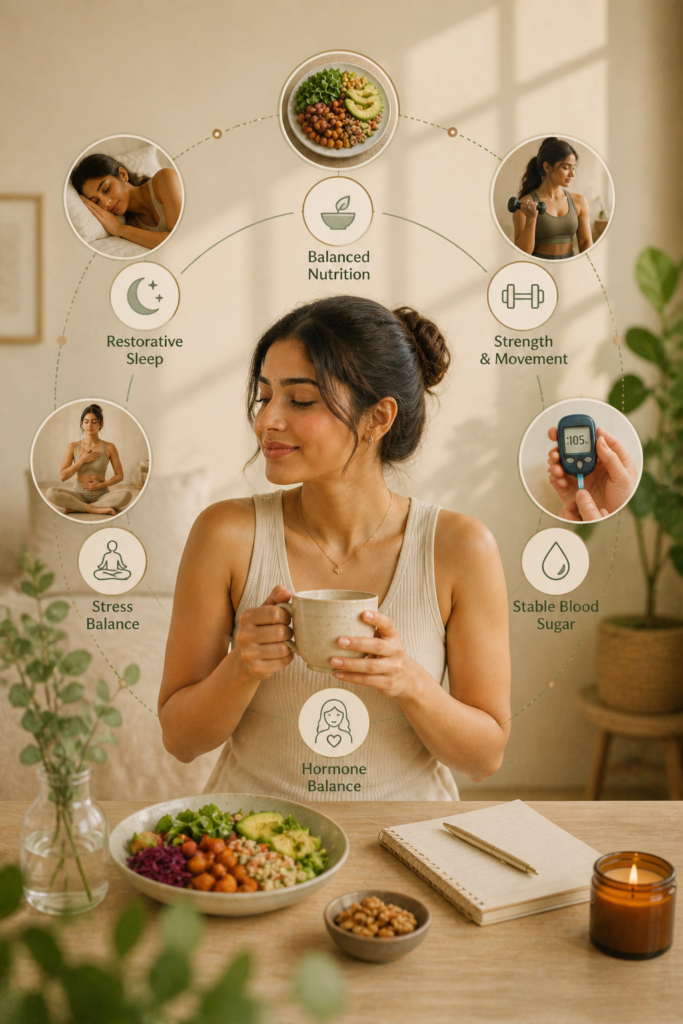
When you begin eating with these shifts instead of forcing one rigid routine, you support better hormone balance, more stable blood sugar, improved metabolic health, and a healthier relationship with food.
For women with irregular periods, PCOS symptoms, PMS, thyroid concerns, or fertility goals, cycle syncing can be a helpful starting point, but deeper patterns may need more personalised guidance.
Cycle syncing for women with PCOS, irregular cycles, or no period
Honouring your menstrual cycle is not about perfection; it’s about paying attention. As you start syncing your food, movement, and schedule with each phase, you’re choosing to work with your body instead of against it, and over time, that simple shift can mean more energy, fewer symptoms, and a deeper sense of trust in yourself.
And if your cycle concerns are layered with PCOS, irregular periods, fertility challenges, thyroid symptoms, insulin resistance, or long-standing hormonal imbalance, a personalised root-cause approach can help you understand what your body needs across every phase of the month.
Get your cycle syncing cheat sheet here.