
Why conventional fat loss advice consistently fails women
You’ve tried cutting carbs, skipping meals, and pushing through brutal workouts – and yet the results never seem to stick. Sound familiar? That’s because most fat loss advice out there was never designed with the female body in mind. Women aren’t just smaller versions of men. Our hormones, our cycles, and our metabolism all play by different rules. This blog isn’t about another diet plan. It’s about building a way of living that helps your body lose fat gradually, feel strong consistently, and actually stay that way.
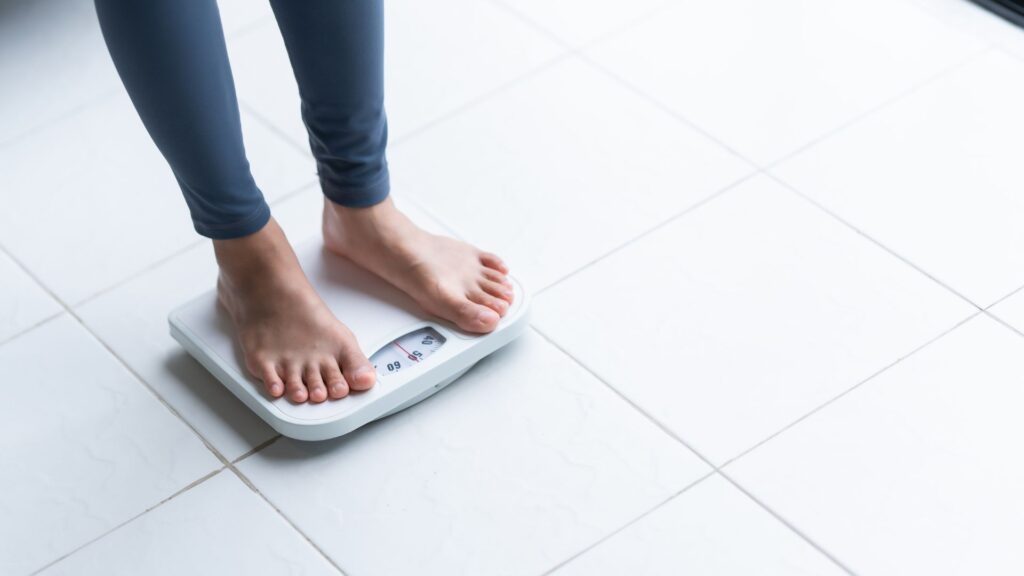
Hormonal root causes of stubborn weight in women
Fat loss is one of the most common goals among women, yet it is also one of the most misunderstood. Many women are drawn toward extreme diets, prolonged fasting, detoxes, or intense workout routines in the hope of achieving quick results. While these approaches may produce temporary weight loss, they often lead to fatigue, hormonal imbalance, metabolic slowdown, and eventually weight regain.
Sustainable fat loss is not about drastic changes but about consistent habits that support the body over time. Women’s bodies function differently due to hormonal fluctuations, reproductive health considerations, and unique metabolic needs. Therefore, strategies that work for others may not always work the same way for women.
A sustainable approach focuses on nourishing the body with balanced nutrition, maintaining regular physical activity, managing stress, and ensuring adequate sleep. When these factors are aligned, the body becomes more efficient at burning fat while preserving lean muscle mass. This approach not only supports gradual fat loss but also improves energy levels, mood, digestion, and overall health.
- Understanding Fat Loss vs Weight Loss: One of the first steps in a sustainable fat loss journey is understanding the difference between weight loss and fat loss. Weight loss simply refers to a decrease in overall body weight, which can include water loss, muscle loss, and fat loss.
Fat loss, however, specifically refers to reducing body fat while maintaining or increasing muscle mass.
Many crash diets lead to quick drops on the scale, but much of this loss comes from water and muscle. Losing muscle can slow metabolism, making it harder to maintain results. Sustainable fat loss prioritizes body composition changes rather than focusing only on numbers on the scale. - The hormone-first nutrition approach to sustainable fat loss: Nutrition plays a central role in sustainable fat loss. Instead of eliminating entire food groups, the goal should be to create balanced meals that provide adequate nutrients while maintaining a moderate calorie deficit.
A balanced meal typically includes:
- Protein: Supports muscle maintenance and keeps you full longer.
- Complex carbohydrates: Provide steady energy and support hormonal health.
- Healthy fats: Essential for hormone production and satiety.
- Fiber-rich vegetables: Improve digestion and increase fullness.
Women often benefit from prioritizing protein intake, as it helps preserve muscle mass during fat loss. Whole, minimally processed foods should form the foundation of the diet, while occasional indulgences can still be included without guilt.
Contrary to common myths, lifting weights does not make women bulky. In fact, strength training is one of the most effective ways to support fat loss.
3. Movement strategies that support female fat loss without burning out
Contrary to common myths, lifting weights does not make women bulky. In fact, strength training is one of the most effective ways to support fat loss. Building lean muscle increases resting metabolic rate, meaning the body burns more calories even at rest.
Strength training also improves bone density, posture, and overall functional strength. For sustainable results, women should aim to include resistance training at least two to three times per week alongside other forms of movement such as walking, yoga, or mobility exercises.
4. The Role of Hormones in Fat Loss
Hormones play a significant role in how women gain or lose fat. Factors such as menstrual cycle phases, thyroid health, insulin sensitivity, and cortisol levels can all influence metabolism and fat storage.
For example, many women experience fluctuations in appetite, energy, and strength across their menstrual cycle. Adjusting workout intensity and nutrition based on these changes can make fat loss more sustainable and less stressful on the body.
Managing stress is equally important, as chronic stress elevates cortisol levels, which can contribute to fat accumulation, particularly around the abdomen.
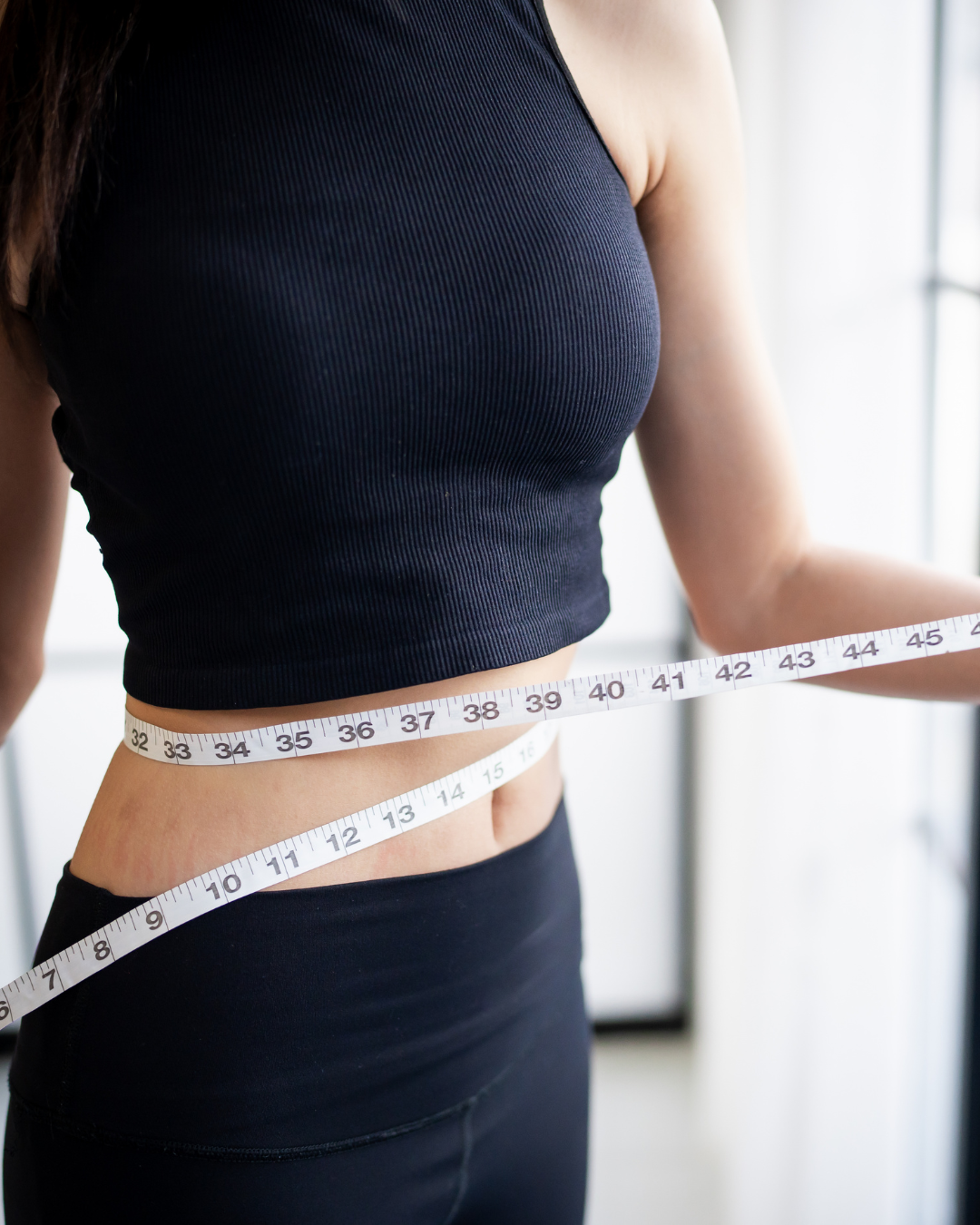
5. Sleep, stress, and gut health: the overlooked levers of female fat loss
Sleep is often overlooked in fat loss strategies, yet it has a powerful impact on metabolism and appetite regulation. Poor sleep can disrupt hunger hormones such as ghrelin and leptin, leading to increased cravings and overeating.
Aim for seven to nine hours of quality sleep each night. Creating a consistent bedtime routine, limiting screen exposure before bed, and maintaining regular sleep schedules can significantly improve recovery and metabolic health.
Stress management practices such as mindfulness, breathing exercises, journaling, or light movement can also help regulate cortisol levels and support fat loss.
6. Consistency Over Perfection
Sustainable fat loss is not about following a perfect routine every day. Life includes social events, travel, busy schedules, and unexpected changes. The key is maintaining consistency over time rather than striving for perfection.
Small, realistic habits such as regular meals, daily movement, adequate hydration, and balanced nutrition can lead to meaningful results when practiced consistently. Progress may be gradual, but it is far more likely to be maintained in the long term.

Sustainable fat loss for women is built on a foundation of balanced nutrition, strength training, adequate rest, and stress management. Rather than chasing quick results, the focus should be on developing habits that support long-term health and well-being.
By understanding how the female body responds to nutrition, exercise, and hormonal changes, women can adopt strategies that are both effective and sustainable. When fat loss is approached as a lifestyle shift rather than a temporary diet, it becomes easier to maintain results while feeling stronger, healthier, and more energized.
If your weight concerns are tied to deeper hormone, thyroid, PCOS, or metabolic patterns, the ONE Program offers more personalised support to help you work on the root causes with a nutritionist.