Heavy, painful, or irregular periods, bloating that worsens before your cycle, a lingering sense of inflammation, many women experiencing endometriosis symptoms or hormonal imbalance are told it’s “just hormones.” But what if the issue isn’t only how much estrogen your body makes, but how well it clears it?
Estrogen balance depends heavily on the liver–bile–gut axis. When estrogen isn’t efficiently processed and eliminated, it can recirculate, amplify inflammation, and worsen symptoms.
This blog explains how estrogen clearance works and shares practical strategies to support bile flow, digestion, and elimination, because hormone healing often begins with improving flow.
Heavy periods. Painful cramps. Bloating that worsens around the cycle.
A quiet, constant sense that the body feels inflamed, unsettled, or out of sync.
These symptoms, including irregular periods and worsening endometriosis symptoms, are common, but they are not random. Many women are diagnosed with hormonal imbalance or endometriosis yet continue to struggle despite eating clean and living consciously. That’s often when we shift the question from:
“How much estrogen is there?”
to
“How well is estrogen leaving the body?”
Because estrogen balance isn’t only about production, it’s about clearance.
We see this often in our work as nutritionists. Many women come to us already knowing their diagnosis or hormone levels. They’re eating clean, exercising regularly, and avoiding obvious triggers, yet their symptoms persist. That’s usually when we pause, step back, and start looking beyond hormones alone.
The real question isn’t just how much estrogen you have. It’s how well your liver, bile, and gut help the queen exit gracefully.
That’s often the moment we pause and widen the lens. Instead of looking at estrogen on its own, we begin with a quieter, more practical question:
How Is Estrogen Leaving the Body?
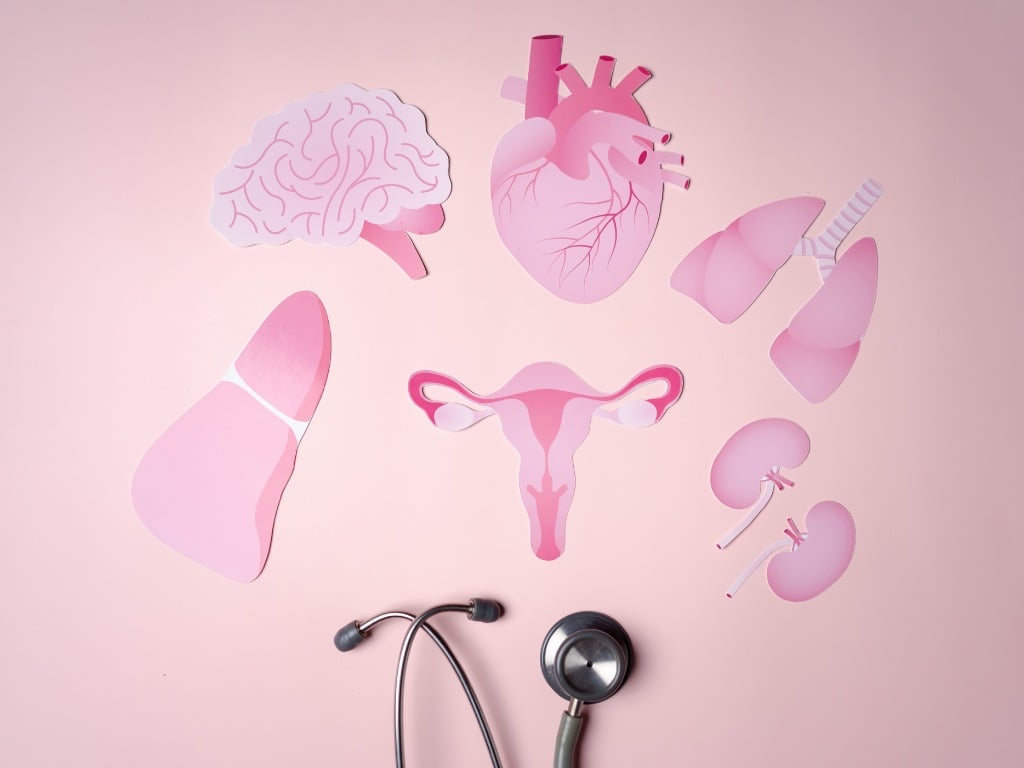
Estrogen clearance doesn’t depend only on the ovaries. It relies heavily on the liver and the gut, and especially on bile, an often overlooked player in hormone balance and overall gut health.
Understanding Estrogen
We often describe estrogen as the queen bee: powerful, essential, and deeply influential. She supports menstrual cycles, fertility, bones, mood, skin, and brain health. But even a queen needs structure.
When estrogen stays in the body longer than it should, when it isn’t cleared efficiently, it can shift from supportive to overwhelming, leading to heavy bleeding, pain, bloating, PMS, and worsening endometriosis symptoms.
The real question isn’t just how much estrogen you have. It’s how well your liver, bile, and gut help the queen exit gracefully.

The Missing Link: Liver, Bile & Gut
Estrogen clearance happens in three steps:
1. Breakdown (Liver – Phase 1)
The liver converts estrogen into metabolite forms. Stress, toxin load, and nutrient deficiencies can shift this toward more inflammatory forms.
2. Neutralization (Liver – Phase 2)
These metabolites are stabilized so they can safely exit. This step depends on adequate nutrients (especially B vitamins), protein, and low chronic stress.
3. Elimination (Bile and Gut)
Processed estrogen is packaged into bile, sent to the intestine, and meant to leave through stool.
If bile flow is sluggish or bowel movements are irregular, estrogen can be reabsorbed through a process called estrogen recirculation. This contributes to estrogen dominance, hormonal imbalance, inflammation, and worsening symptoms.
This final step is often the most overlooked, yet it plays a major role in estrogen dominance and related symptoms.
If you’d like a simple visual explanation of estrogen detoxification, you can watch Rashi’s video here: Estrogen detoxification.
When estrogen continues circulating instead of leaving:
Inflammation increases
Tissue becomes more reactive
Pain sensitivity rises
PMS, bloating, fatigue, and heaviness worsen
The concern isn’t always how much estrogen the body produces, it’s how effectively it can clear it. And that clearance depends heavily on bile flow and gut health, two systems rarely included in hormone conversations.
Why Bile Matters
Bile is produced by the liver and released into the gut in response to fats. It:
Helps digest fats
Absorbs fat-soluble vitamins (A, D, E, K)
Keeps stools moving
Carries waste, including used estrogen, out of the body
When bile flow is sluggish:
Fats feel heavy or hard to digest
Stools may be pale, sticky, loose, or incomplete
Estrogen clearance slows
This is how estrogen can build up, even in women who are “doing everything right.”
The Gut’s Role: Why Estrogen Gets Recycled
The gut microbiome contains a group of bacteria called the estrobolome. These bacteria influence whether estrogen leaves the body or gets recycled.
Certain bacteria produce an enzyme (β-glucuronidase) that can reactivate estrogen meant for elimination, sending it back into circulation. Common signs this may be happening:
Gut signs
Constipation
Bloating before periods
Gas, reflux
Food sensitivities
Hormonal signs
PMS and irritability
Breast tenderness
Heavy or clotty periods
Acne along the jawline
Fatigue and brain fog
Hormones and gut health are deeply connected. For many women seeking bloating relief, supporting elimination and digestion becomes foundational.
Why Do Results Vary From Woman to Woman?
Everyone’s internal terrain is different: liver capacity, gut bacteria, stress load, sleep quality, past medication history, and many more factors.
Some bodies clear estrogen easily. Others reabsorb it quickly. This is why generic “diets”, even a structured endometriosis diet, often don’t work long-term if elimination pathways remain sluggish.
Who May Not Benefit Much?
Liver–gut support forms a strong foundation, but women with:
Advanced endometriosis
Structural adhesions
Active gallbladder disease
Severe digestive disorders
may require additional medical support. From a nutritionist’s lens, the role is not to replace medical treatment, but to reduce inflammatory and hormonal load.
Practical takeaways
Hormone balance is about flow: Flow of bile | Flow of digestion | Flow of elimination
So, start with the basics:
- Support daily bowel movements: Aim for one complete bowel movement daily
- Don’t fear healthy fats: Bile is released in response to fats, so include fats like cow’s ghee, olive oil, nuts and seeds, olives, coconut chunks, avocado, whole eggs, fatty fish, etc.
- Work on your overall gut health and inflammation: Reduce inflammatory foods like ultra processed foods, sugar, alcohol, gluten and dairy ( based on tolerability), refined oils. Add in foods like cooked cruciferous veggies, dandelion root, turmeric, pepper, garlic, arugula leaves, and fenugreek.
- Work on stress and sleep: Stress alters liver detox pathways so prioritise rest
- 5. Supplement support: Magnesium glycinate 400 mg (bowel regularity, stress modulation, and phase 2 detox support), Calcium D glucarate 500 mg (reduce estrogen recirculation), DIM (Diindolylmethane) 100 – 200 mg (phase 1 balance), Milk Thistle 150-300 mg, NAC 600-1200 mg or Glutathione 500 mg (liver detox support). Always consult your doctor or qualified healthcare provider before starting any supplement. This blog does not intend to replace medical advice.
When bile flows more freely, estrogen exits more easily. And when estrogen exits more easily, symptoms often soften.
When bile flows more freely, estrogen exits more easily.
And when estrogen exits more easily, symptoms often soften.
Your body is not broken. It’s often just overloaded and asking for support. Sometimes, healing begins not with hormones. It begins with helping the body do what it was always designed to do.
When digestion improves, elimination becomes easier.
When elimination improves, hormonal load reduces.
And slowly, the body begins to feel safer, lighter, and more responsive.
Healing doesn’t always start with doing more.
Often, it starts with allowing the body to work with you again.